
When To Seek Help: How To Diagnose Pet Symptoms Early
As a pet parent, you know your furry friend's habits, quirks, and personality better than anyone. You can tell when they are excited for a walk, feeling lazy on a rainy afternoon, or begging for a treat. But what happens when something changes? Maybe your usually energetic dog is suddenly lying in bed all day, or your cat stops eating without warning.
These changes can be worrying, and you might ask yourself, "Is this serious enough to call the vet?" Learning how to diagnose pet symptoms early can make all the difference in your animal's well-being.
By spotting the warning signs sooner, you can act quickly, prevent complications, and give your companion the best chance for a full recovery. If you're new here, welcome to Billings Animal Family Hospital, where your pet's health and happiness are our top priorities.
What You'll Find In This Post . . .
- When To Seek Help: How To Diagnose Pet Symptoms Early
- Why early detection matters for pet health
- Step 1: Observe and document any changes
- Step 2: Use a trusted pet symptom checker
- Step 3: Recognize red flag symptoms that need immediate attention
- Step 4: Prepare for the veterinary appointment
- Step 5: Understand the importance of follow-up
- How your relationship with the vet helps your pet
Why early detection matters for pet health
Just like humans, pets can develop medical issues that begin with subtle signs. A slight shift in behavior might seem harmless at first, but it can indicate a bigger problem brewing. Acting early is not only crucial for protecting pet health, but it can also save your pet from unnecessary suffering and save you from expensive treatments later.
For example, a slight limp in your dog might be caused by a minor injury. However, it could also be an early sign of arthritis or hip dysplasia. Identifying it early gives your veterinarian more options for treatment.
This is especially critical for illnesses that progress quickly, such as infections or organ diseases. To learn more about the full range of care we offer, visit us.

Step 1: Observe and document any changes
The first step to diagnosing pet symptoms is simple but powerful: watch closely. You are the one who sees your pet every day, so you are the first line of defense if you notice anything unusual.
Keep track of what you notice in a notebook or even on your phone.
This could include:
- When the symptoms started
- How often do they appear
- Whether they seem to be getting worse
You might see a change in appetite, such as your pet refusing food they usually love. Perhaps they are drinking more water than usual, which could point to diabetes or kidney issues. Lethargy, restless pacing, or hiding could also signal discomfort.
The more details you can provide, the easier it will be for your veterinarian to reach an accurate pet diagnosis.

Step 2: Use a trusted pet symptom checker
Many pet owners want to research before rushing to the clinic, and that's understandable. A pet symptom checker can help you gather information and understand possible causes for your pet's symptoms. However, no online tool can replace professional expertise.
A symptom checker should be used as a guide, not a final answer. Even if you think you've identified the problem, a veterinarian must confirm the pet's diagnosis through a physical exam, tests, or imaging. We offer specialised care & diagnostics to provide precise evaluations and ensure your pet gets the accurate diagnosis they need.
Step 3: Recognize red flag symptoms that need immediate attention
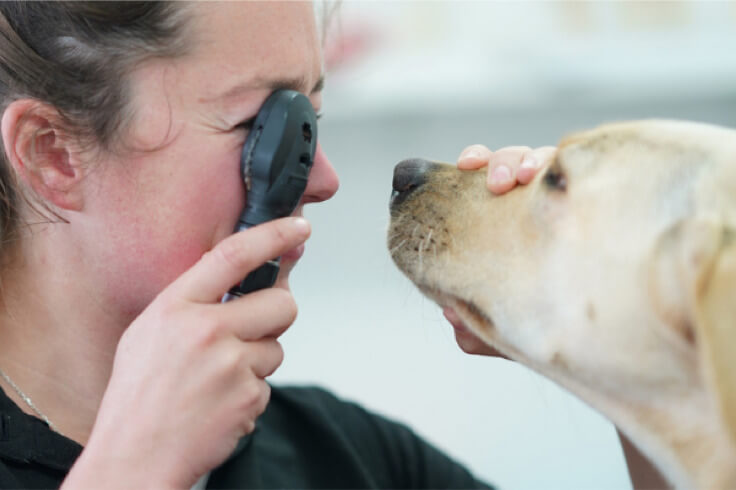
Some symptoms should never be ignored and require urgent veterinary care. Contact your vet immediately if your pet experiences any of the following:
- Difficulty breathing or choking
- Persistent vomiting or diarrhea
- Seizures or sudden collapse
- Inability to walk or stand
- Bleeding that does not stop
- Swollen abdomen or signs of extreme pain
These are emergencies where every minute counts. Prompt action could be the difference between life and death for your pet.

Step 4: Prepare for the veterinary appointment
Once you've decided to call your vet, gather all the information you have about your pet's symptoms. Bring any notes, photos, or videos you've taken.
Providing this documentation will help your veterinarian diagnose your pet's symptoms more quickly and accurately. It also reduces the chance of missing an important detail during your appointment.
You can also prepare by bringing a list of your pet's medications, recent changes in diet, and any new environments or activities they've been exposed to.
For added peace of mind, download our free Emergency Vet Contact Card so you always have essential phone numbers at your fingertips.
Step 5: Understand the importance of follow-up
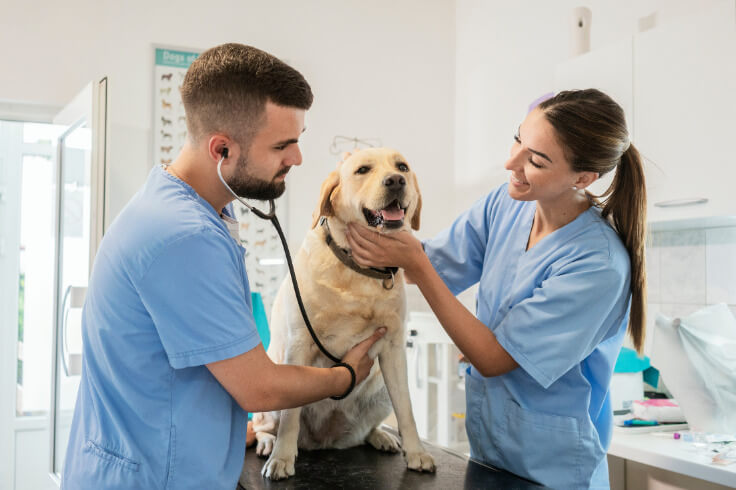
Sometimes, a single visit isn't enough to fully resolve the problem. Your veterinarian may recommend follow-up appointments, additional testing, or monitoring at home. Staying consistent with these recommendations is key to successful treatment and your pet's recovery.
Following up also helps your veterinarian spot patterns and adjust care plans as needed for your pet's long-term health.
For more on perfecting preventive care and follow-up with your vet, see this helpful guide.

How your relationship with the vet helps your pet
Building a strong partnership with your veterinarian ensures your pet receives the best possible care. When your vet knows your pet's history, they can more quickly diagnose pet symptoms and make informed decisions.
Regular wellness exams and preventive care appointments also make it easier to detect issues before they become serious. This ongoing relationship gives you a trusted expert to turn to whenever you have concerns about your pet. Learn more about our team.