

Xylitol Toxicity In Dogs: What Pet Owners Should Know
Xylitol toxicity in dogs is now the second most common poisoning call, right after chocolate. Between 2015 and 2020, calls related to xylitol poisoning jumped by a staggering 108%, and many pet owners still don't realize just how dangerous this common sugar substitute can be.
Found in sugar-free gum, peanut butter, baked goods, toothpaste, and more, xylitol offers great benefits for humans, but it has the opposite effect on dogs. Even a small amount can trigger hypoglycemia, vomiting, seizures, liver failure, or even lead to a coma.
Our veterinarian team is here to help you understand the risks and recognize the signs of xylitol poisoning in dogs, so you can act fast and keep your furry family members out of harm's way.
What you'll find in this post . . .
- Xylitol Toxicity In Dogs: What Pet Owners Should Know
- What pet owners should know about xylitol
- Why xylitol is toxic to dogs
- Xylitol toxicosis in dogs: How it happens
- Clinical signs of xylitol poisoning in dogs
- What to do if your dog ingests xylitol
- How to prevent xylitol toxicity in dogs
- Final thoughts: Protecting your pet
What pet owners should know about xylitol
Xylitol is a sugar alcohol that was first identified in 1891 by a German chemist named Emil Fisher. The substance is found naturally in berries, plums, corn, oats, mushrooms, lettuce, trees, and other fruits, but for commercial purposes, most xylitol is extracted from corn fiber or birch trees.
Finland was the first to produce xylitol during World War II when sucrose became unavailable. When the war ended and sucrose was available again, xylitol production was stopped, but commercial interest was revived in the mid-1970s.
Efficient and economical techniques to produce xylitol have continued to increase its availability. Xylitol has many beneficial properties for humans, such as:
- Less calories — Xylitol is as sweet as sucrose, but has only two-thirds the calories.
- Low glycemic index — Xylitol causes a negligible insulin release in people, making it a good sugar substitute for those on a low carbohydrate diet.
- Energy source for diabetics — Because xylitol doesn't require insulin to enter cells, it can be used as an oral and intravenous energy source for diabetics.
- Oral care products — Xylitol prevents oral bacteria from producing acids that damage tooth surfaces, and is a popular ingredient in sugar-free gum, toothpaste, and other oral care products.

Why xylitol is toxic to dogs
Xylitol might be a safe and even beneficial sugar substitute for humans, but for dogs, it's a completely different story. The way their bodies process xylitol turns this seemingly harmless ingredient into a dangerous toxin.
Xylitol is metabolized differently in different species. Humans, rats, rhesus monkeys, and horses metabolize xylitol in one way, while dogs, rabbits, baboons, cows, and goats metabolize the substance in another way.
- Humans — Once ingested, xylitol is absorbed slowly over three to four hours, and the increase in insulin levels after xylitol ingestion is negligible compared with the increase after glucose ingestion.
- Dogs — Once ingested, xylitol is absorbed quickly, reaching peak plasma levels in about 30 minutes. This leads to a dose-dependent 2.5- to 7-fold increase in insulin levels compared with ingestion of an equal amount of glucose.
Small studies indicate xylitol is not toxic to cats, but caution should be used until more is known. The safest recommendation is to avoid giving any pet xylitol.
Xylitol toxicosis in dogs: How it happens
When a dog ingests a xylitol-containing product, their pancreas mistakenly thinks the xylitol is real sugar. In response, the pancreas releases a surge of insulin to manage the "sugar" levels. However, this insulin response is exaggerated, causing a dangerous drop in blood glucose within 30 minutes to a few hours after ingestion.
Xylitol can be found in common products such as sugar-free gum, candy, peanut butter, baked goods, and even some toothpaste. It can also be listed under different names, like birch sugar, making it essential for pet owners to carefully check labels before offering their dogs any food or treats.
Clinical signs of xylitol poisoning in dogs
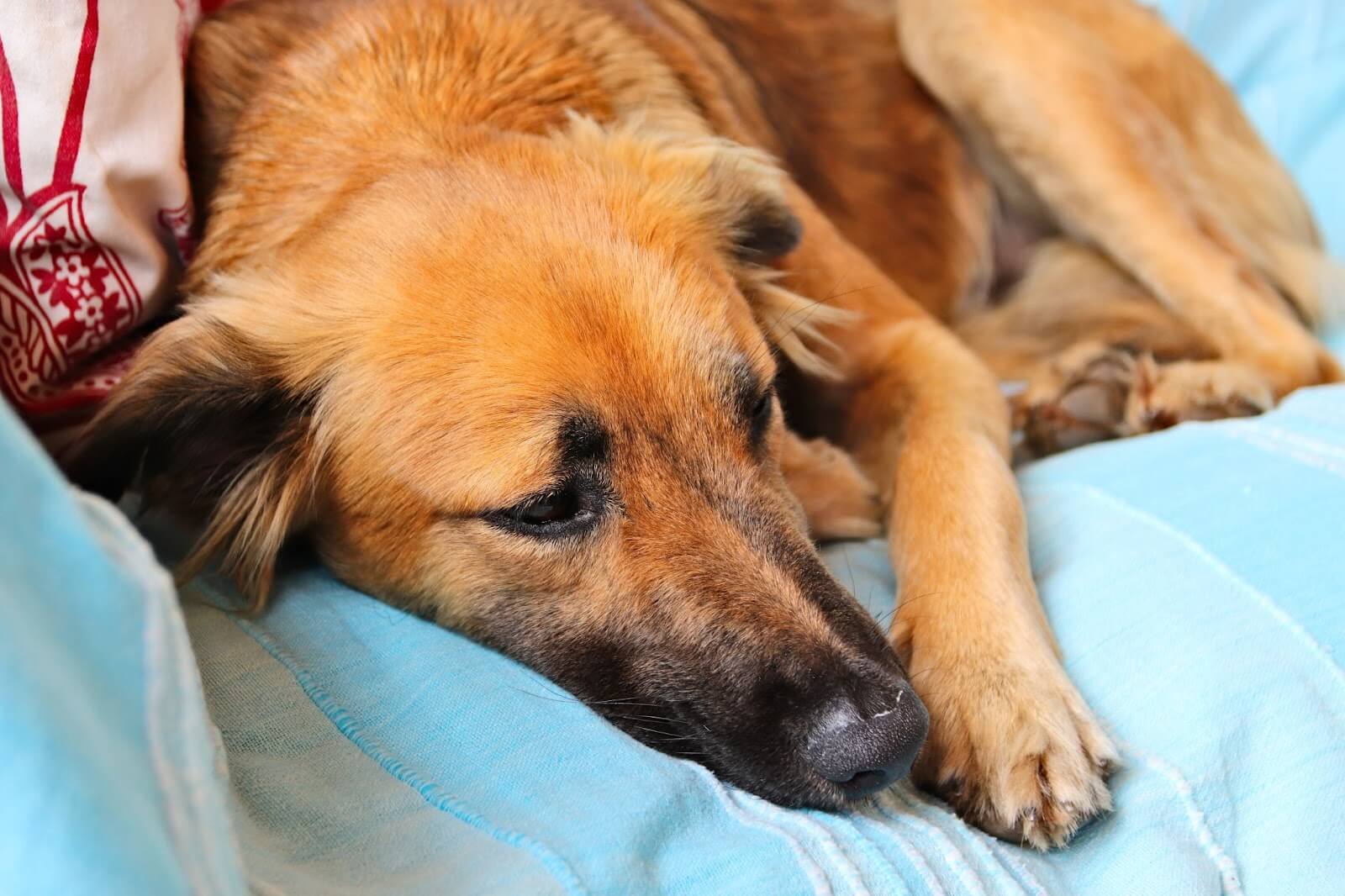
Xylitol poisoning can lead to a range of clinical signs, some of which are life-threatening if not addressed immediately. The severity of these symptoms depends on the amount of xylitol ingested.
Hypoglycemia
Hypoglycemia is one of the most common signs of xylitol poisoning. It happens when the dog's pancreas releases excessive amounts of insulin in response to xylitol, causing a sharp drop in blood glucose. Symptoms include:
- Vomiting
- Disorientation
- Weakness
- Incoordination
- Tremors
- Seizures (in severe cases)
These signs typically appear within 30 minutes to an hour after ingestion. If your dog exhibits any of these symptoms, it's critical to get them to a vet immediately.
Liver damage
Higher doses of xylitol can lead to liver damage, which might not always present with hypoglycemia. Symptoms include:
- Jaundice (yellowing of the skin, eyes, or gums)
- Loss of appetite
- Lethargy
- Abdominal pain
- Dark urine
- Vomiting
If liver failure sets in, more severe symptoms like internal bleeding, clotting problems, and coma can occur. The prognosis for dogs with liver failure is generally poor without timely treatment.
Gastrointestinal distress
In addition to vomiting, dogs with xylitol poisoning may also experience:
- Diarrhea
- Abdominal bloating or discomfort
- Loss of appetite
Seizures
Seizures are a more severe sign that may develop if the dog's blood glucose drops dangerously low. If left untreated, seizures can lead to further neurological damage or even death.
Weakness and lethargy
Dogs affected by xylitol poisoning may appear unusually tired, weak, or lethargic. This is particularly noticeable after the initial phase of hypoglycemia.
Tremors and muscle twitching
Muscle tremors or twitching are another sign of low blood sugar. These tremors can progress to seizures if not treated promptly.
Coma
In severe cases, if xylitol poisoning is not addressed quickly, the dog may lapse into a coma. This is often the result of extreme hypoglycemia or acute liver failure.
What to do if your dog ingests xylitol
Knowing the exact amount of xylitol your dog ingested is helpful in determining their treatment, and the sooner treatment begins, the better their prognosis.
If you suspect your dog has ingested xylitol, the first step is to induce vomiting to remove the toxin from their stomach. The faster the xylitol is cleared from the body, the less chance it will cause further harm.
Important: Always contact your vet or an emergency animal poison control center (like the ASPCA Animal Poison Control Center) before inducing vomiting, as they can provide you with specific guidance based on your dog's situation.
Veterinary treatment of xylitol poisoning
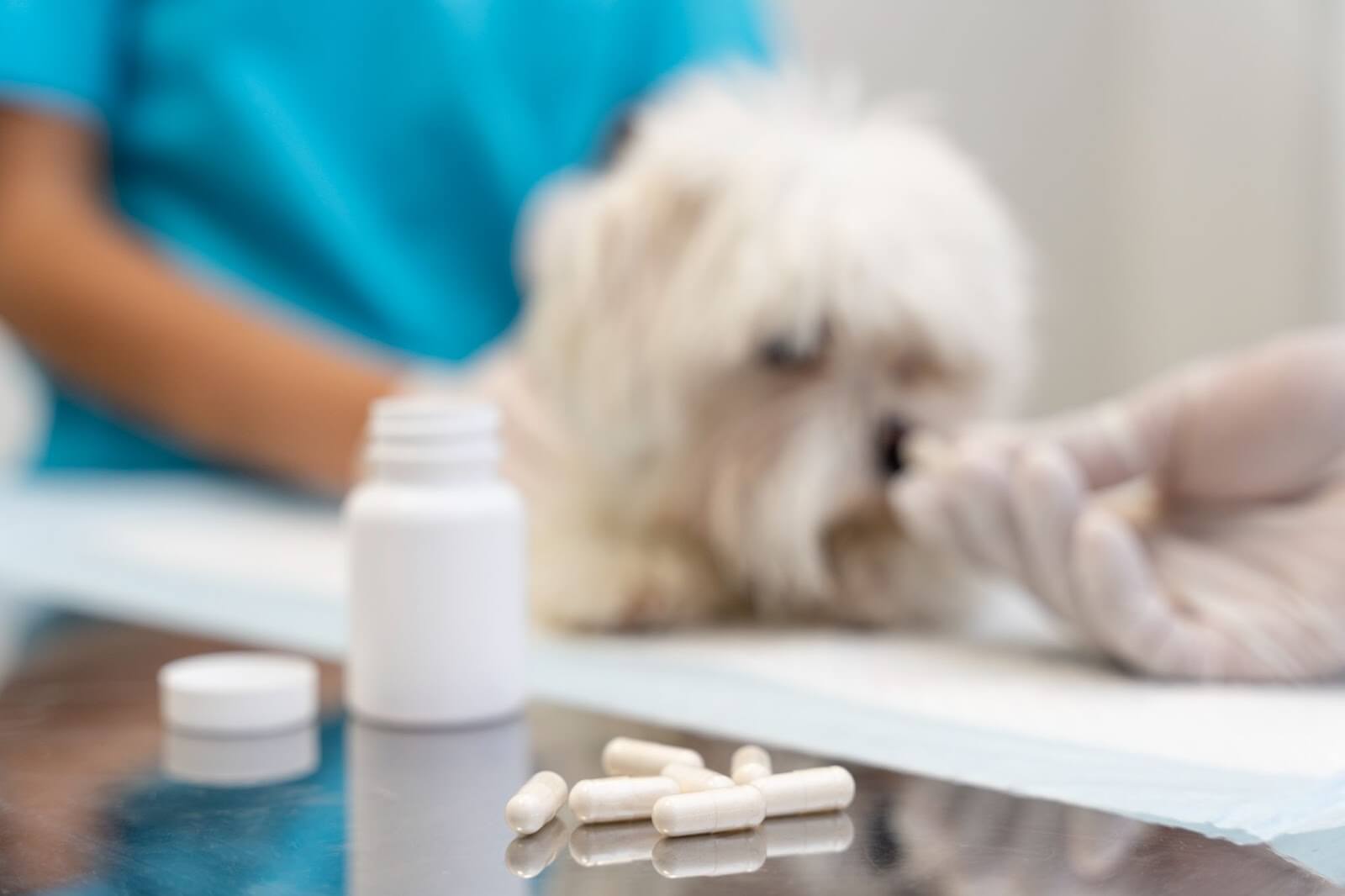
Once at the veterinary clinic, your dog will likely be started on an intravenous dextrose drip to stabilize their blood sugar levels. This treatment typically lasts for around 24 hours. The vet will also monitor your dog's liver enzymes and blood clotting factors for 2 to 3 days, as elevated levels can signal liver damage or the risk of bleeding. In more severe cases, blood transfusions may be necessary.
How to prevent xylitol toxicity in dogs
Steps you can take to safeguard your pet include:
- Reading the ingredients — Before offering your pet any human food, such as peanut butter, read the label to look for xylitol. Avoid products labeled "reduced sugar," "diabetic friendly," "sugar-free," or "cavity preventing."
- Keeping products out of reach — Keep all gum, candies, and mints out of your pet's reach, and ensure your pet can't access guests' purses or coat pockets.
- Be prepared — Put Billings Animal Family Hospital and the Animal Poison Control Center in your contact list so you can easily reach help if your pet ingests xylitol.
Final thoughts: Protecting your pet
Xylitol toxicity is a concerning hazard, but you can take steps to protect your pet from this deadly toxin. Should your pet ingest xylitol, immediately contact our Billings Animal Family Hospital team so we can provide the care they need.